Enjoy 15% off select pet essentials

Cat Loose Stool: What's Normal, What's Not, and How to Fix It
Fampets Gut
5/22/20264 min read
Cat Loose Stool: What's Normal, What's Not, and How to Fix It
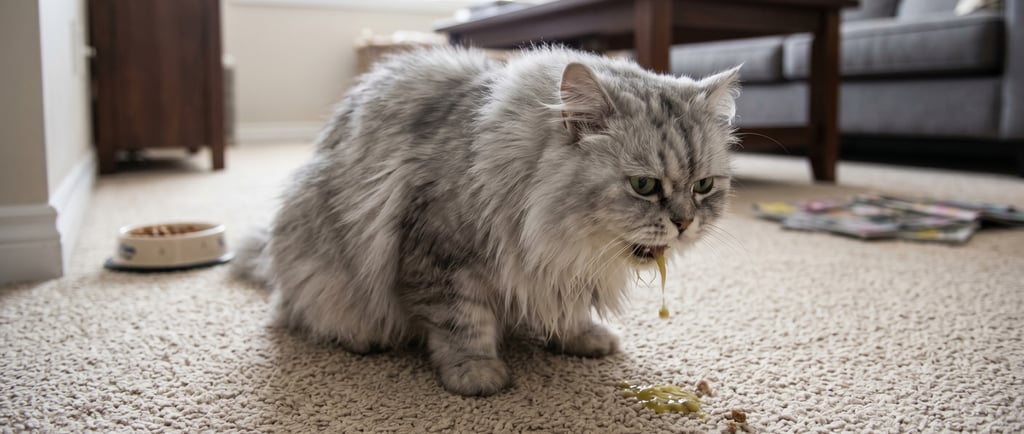
You cleaned the litter box this morning. Then again an hour later. The stools are soft, watery, or worse, and your cat seems uncomfortable. You're worried, and you should trust that instinct, because chronic loose stools in cats are rarely "just one of those things." There's always a cause, and there's almost always a fix.
Here's everything you need to know.
First: What's Normal and What's Not
A healthy cat stool should be:
Firm but not hard, holds its shape without being dry or crumbly
Brown, mid-to-dark brown is normal
Passed once or twice daily, with no visible straining or discomfort
See your vet promptly if you notice:
Blood in the stool (red streaks or dark, tarry stools)
Mucus coating the stool consistently
Diarrhoea lasting more than 48 hours
Accompanied by vomiting, lethargy, or loss of appetite
Significant weight loss alongside digestive changes
For everything else, the causes below cover the vast majority of cases Malaysian cat owners deal with.
Why Your Cat Has Loose Stools, The 6 Most Common Causes
1. 🍽️ Diet Change
The most common trigger, and the most preventable. Cats have sensitive digestive systems that need time to adjust when food changes. Switching brands, flavours, or protein sources too quickly floods the gut with unfamiliar ingredients before the microbiome has adapted.
Fix it: Always transition over 7–10 days, mixing the new food gradually into the old. 25% new, 50% new, 75% new, then 100%.
2. 🦠 Gut Microbiome Imbalance
Your cat's gut contains trillions of bacteria that regulate digestion, immunity, and even mood. When the balance of good versus bad bacteria is disrupted, loose stools, bloating, and irregular digestion follow. This is one of the most under-recognised causes of chronic digestive issues in cats.
Common triggers: antibiotics (which wipe out good bacteria alongside bad), stress, diet changes, or illness.
3. 💊 Antibiotics or Medication
If your cat has recently completed a course of antibiotics, loose stools are a predictable side effect. Antibiotics don't discriminate, they kill the beneficial gut bacteria along with the infection, leaving the gut flora depleted and digestion temporarily dysregulated.
This is one of the clearest cases where probiotic support makes a direct, measurable difference.
4. 😰 Stress
Cats are deeply sensitive to environmental changes. A new pet in the home, moving house, renovation noise, a change in the owner's schedule, even rearranging furniture can trigger stress-induced digestive upset. The gut and brain are directly connected through the gut-brain axis, and in cats, stress hits the stomach fast.
Signs it's stress-related: loose stools appear after a specific change in environment or routine, and your cat is also hiding more, grooming excessively, or eating less.
5. 🧬 Food Sensitivity or Intolerance
Some cats react poorly to specific proteins, additives, or fillers in their food. Chicken, beef, and certain grains are the most common triggers. Unlike a full food allergy, intolerance doesn't always cause obvious external symptoms, it may show up purely as chronic soft stools.
Signs it's food-related: the problem is consistent regardless of stress levels, and improves when you switch to a limited-ingredient or novel-protein diet.
6. 🪱 Parasites
Intestinal worms and Giardia are common in Malaysian cats, especially those with outdoor access or a history as strays. These cause persistent loose or watery stools and won't resolve without specific treatment.
If your cat hasn't been dewormed recently and has chronic loose stools, rule this out first with a vet visit before assuming it's diet or gut-related.
What Doesn't Work
Skipping meals to "rest" the gut rarely helps and can cause hepatic lipidosis (fatty liver disease) in cats if continued for more than 24–48 hours. Never fast a cat without vet guidance.
Switching food repeatedly in response to loose stools can actually make things worse, each new switch is another disruption to a gut that's already struggling to stabilise.
Waiting it out works for single-episode loose stools after an obvious trigger. For anything recurring or lasting more than 2 days, waiting without intervention just prolongs the problem.
What Actually Works: Restoring the Gut From the Inside
The most consistent, lasting improvement comes from directly restoring the gut microbiome with the right combination of probiotics and digestive enzymes. This is the approach that addresses the root cause rather than just managing symptoms.
Probiotics reintroduce beneficial bacteria to rebalance the gut flora. Digestive enzymes help break down food more efficiently, reducing the fermentation and irritation that causes loose stools in the first place. Together, they work faster and more effectively than either alone.
This is exactly what Fampets GUT Probiotic & Digestive Enzyme for Cats is built to do.
Fampets GUT is a vet-formulated powder combining multi-strain probiotics and digestive enzymes specifically dosed for cats. It mixes invisibly into wet or dry food, and even the pickiest cats typically accept it without issue.
Here's what a regular Fampets GUT customer had to say:
"I've been a regular buyer of Fampets GUT for a while now. If your furkid is struggling with loose or bloody stools, frequent vomiting, or just seems to have a weakened immune system, this is very suitable for them. I started feeding this to my cat once a day, and the improvement in their health has been incredibly consistent."
, Aina ⭐⭐⭐⭐⭐
Most cat owners notice firmer stools within 7–14 days. For cats recovering from antibiotics or chronic gut issues, consistent daily use over 30 days delivers the most complete restoration.
The Supporting Role of Diet During Recovery
While Fampets GUT does the heavy lifting, a few dietary adjustments accelerate recovery:
Temporarily switch to wet food if your cat is on dry only, the higher moisture content is easier on an irritated gut
Avoid high-fat treats during the recovery period, fat is harder to digest and slows gut healing
Ensure fresh water is always available, loose stools cause dehydration faster than most owners realise
The Bottom Line
Chronic loose stools in cats are not something to normalise or wait out. The cause is almost always identifiable, and the fix is usually straightforward once you target the right thing.
For the majority of Malaysian cats, gut microbiome support is the missing piece that makes everything else click into place.
Fampets
Follow us here:
Contact
Any queries
fampetsmsia.os@gmail.com
017-9932899
© 2026. All rights reserved.